A more beautiful life
Hormones Naturally
When your hormones change, life can feel very different.
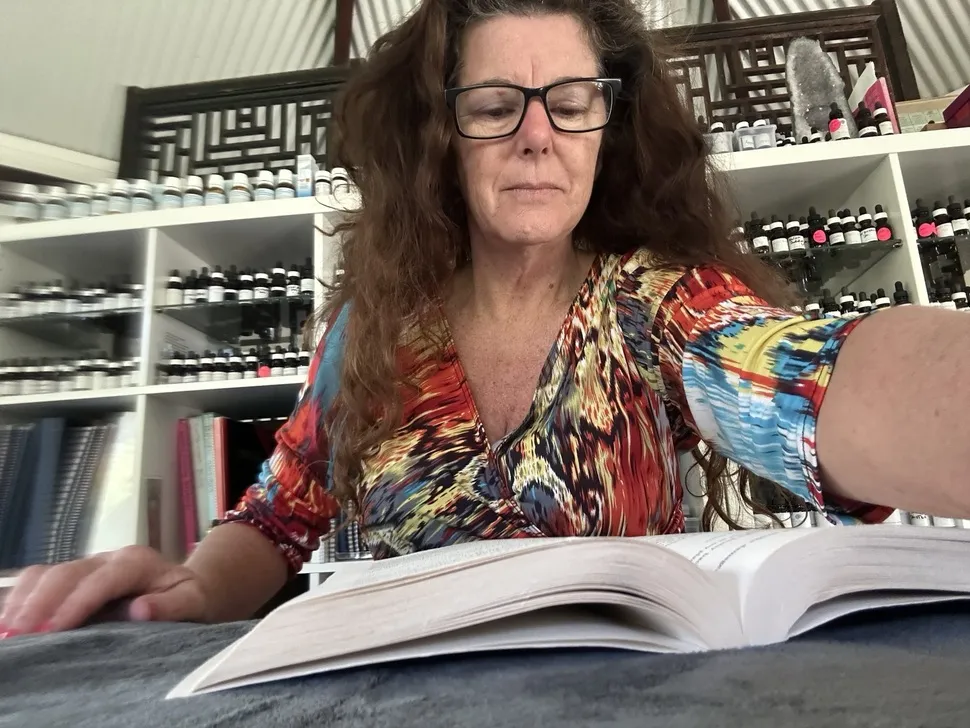
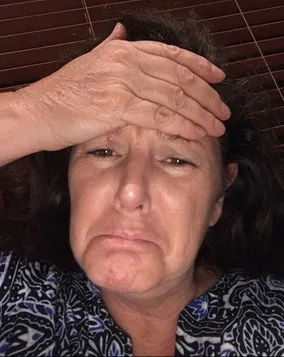
Your energy changes, your sleep changes, your mood changes, your body changes. Sometimes even the way you think and feel about yourself changes. The way you think and feel about other people can radically change too!
Time and time again, women come to me pulling their hair out in frustration, even while their hair seems to be disappearing at a great rate all by itself.
They know something isn’t right, yet they’ve been told everything is normal. Their blood tests say everything is normal. They know it isn’t, and that matters.
Because a result that falls within a normal range doesn’t necessarily explain what is happening for you, or why you no longer feel like yourself.
For women, hormones can change moment to moment.
Someone can walk past us and suddenly we can have a completely different hormonal response. A conversation can change it. Stress can change it. Sleep can change it. What is happening around us can change it.
And while hormones may be part of what is happening, they are not happening in isolation. Your nervous system, stress, genetics, environment, nutrition, life stage, relationships, and everything else you’ve been adapting to are all part of your individual picture.
That is why we don’t simply chase hormone levels or treat everyone with the same protocol. We look at you. What is changing? What is contributing? What do you need now?
Men tend to be more hormonally stable. Women are much more changeable.
And that is another reason one blood test, taken at one moment in time, may not tell us very much about what is really going on for you.
Hormones can affect almost every part of how you feel and function, and sometimes they’re the flashing neon light getting our attention.
So rather than simply asking which hormone is out, we can ask a much more useful question: Why has it changed? What is influencing it? What else was happening when things began to change?
When we look beyond one number on a blood test, we can begin to understand why your hormonal picture looks the way it does.
The bigger picture
Your hormones are a team
One of the most important things to understand about hormones is that they don’t work alone. I think of the endocrine glands (they make your hormones) as a team, and like any team, what happens to one member can affect everyone else.
The hypothalamus is the CEO. It’s the boss. It receives information, makes decisions, and helps determine what happens next. And if the CEO has screwy ideas, your future may not look quite the way you want it to.
Then there’s the pituitary, the secretary. She works 24 hours a day, seven days a week, receiving messages from the boss, sending them down to the rest of the team, gathering their feedback, and reporting back upstairs. And because she’s a woman, naturally she also knows all the social goings on. She knows the pancreas is having its lunch money stolen by the adrenals. She knows there’s bad blood there. She knows who’s talking to whom and who’s not listening. She’s a very busy lady. Consequently, she often needs magnesium, sunshine, and a holiday.
And that’s only the beginning of the hormonal story.
Because from the pineal and thyroid to the thymus, heart, liver, pancreas, adrenals, and gonads (ovaries and testicles), they’re communicating, responding, and influencing one another all the time.
So when one member of the team appears to be causing trouble, we need to look at what the whole team is doing.
What you feel
When the team is struggling, you know.
You may not know which hormone is involved. You may not know why things have changed. You simply know you don’t feel like you anymore.
Your energy may disappear. Your sleep can become unpredictable. Your hair can change. Your weight can change. Your temperature can change. You might become anxious when you’ve never been anxious before, or find yourself crying, raging, or completely overwhelmed by something you would once have taken in your stride.
Your memory can become unreliable. Your brain can feel foggy. Your libido can disappear.
And sometimes you look at the people you love and wonder why on earth they’re suddenly so irritating.
Then you’re told everything is normal, and yet you know perfectly well that you are not feeling your normal.
This is where we stop looking only at whether your numbers fall inside a reference range and start looking at you and your hormonal team.
A personal story
I learned about hormones because I had to.

Perimenopause arrived just as my identical twin daughters were entering their teenage years. Three women, three sets of hormones, one household.
Hormones were suddenly not an abstract subject in our house.
It was either learn, or the household was going to implode, possibly explode!
So I learned.
I wanted to understand what was happening, why it was happening, and most importantly, what we could do about it.
And something became very clear. Even living under the same roof, eating the same food, and sharing the same genetics, we were not experiencing hormones in the same way.
Never once have my identical twins required the same solution for the same symptom. Not once.
If two genetically identical women can need something different, why would we expect one hormonal approach to work for every woman?
How we work
So what do we do?
We start by listening to what you are telling us, not just your blood tests, not just one endocrine gland, not just one hormone, not just one symptom. You.
We look at what has changed, what else was happening at the time, what may be influencing your endocrine system now, and who’s talking to who — and who isn’t.
Because sometimes the endocrine gland getting all the attention isn’t necessarily where the story began.
The thyroid may be struggling because something else is placing pressure on it. The adrenals may have been working overtime for years. Your nervous system may still be responding to something that happened long ago. Or several members of your endocrine team may simply be having hissy fits.
The question isn’t simply, “How do we get this gland working better?” The question is, “What does your system need to work better?” And then we work from there.
A more beautiful life
What becomes possible?
When your endocrine system has better options, you can have better options too: more energy for your day, clearer thinking, more capacity, more choice, more sex (if you want it!), more opportunity to be present in your relationships, your work, and your life.
Because this was never simply about hormones. It’s about you feeling more like you, having more available for living, making new choices, and doing the things that matter to you.
Your hormones are part of the story. Your more beautiful life is the point.
If something has changed, if you don’t feel like yourself anymore, if you’ve been told everything is normal when you know it isn’t, we begin by looking at your health history, your hormones, your endocrine system, your nervous system, your life.
We identify what can work better for you.
Let’s begin
Book your Discovery Session, where the focus is entirely on you.